
✔ Fact-checked. For informational purposes only.
The recent surge in domestic food production has introduced an unexpected variable into veterinary health: the residential garden. While the movement toward organic, home-grown produce is celebrated for human health, the intersection of horticulture and pet ownership is complex. Emerging data suggests that How Home Gardening Is Silently Changing the Lifespan of Pets in America is a dual-edged sword. On one hand, gardens provide enrichment, fresh supplemental whole foods, and a reduction in exposure to industrial lawn chemicals. On the other, they introduce novel toxicological risks and parasitic vectors. Understanding this shift is essential for the modern pet owner looking to harmonize a productive backyard with the long-term vitality of their animals.
The Benefits: Reduced Chemical Exposure and Fresh Nutrition
For decades, the standard American “manicured lawn” was maintained using synthetic fertilizers, herbicides, and pesticides. Many of these chemicals, specifically certain phenoxy herbicides, have been linked in epidemiological studies to increased rates of transitional cell carcinoma and malignant lymphoma in dogs. The shift toward home gardening often replaces these toxic lawns with organic mulch and edible plants.
Eliminating the “Green Lawn” Carcinogens
By transitioning from a chemically treated lawn to a managed garden, owners significantly lower the environmental toxin load on their pets. Pets spend a high percentage of their time low to the ground, absorbing chemicals through their paw pads and grooming behaviors. Removing synthetic “weed and feed” products is a primary mechanism for how gardening is extending pet lifespans.
Supplemental Whole Food Nutrients
Fresh garden produce can act as a powerful antioxidant supplement. Small amounts of garden-fresh blueberries, kale, or carrots provide bioavailable phytonutrients that are often degraded in the high-heat processing of commercial kibble. These additions support cognitive function and immune health, contributing to a more resilient physiological state in aging pets.
The Hidden Risks: Toxic Flora and Soil Amendments
While the reduction of synthetic chemicals is a benefit, the garden itself presents biological and chemical hazards that many owners overlook. How Home Gardening Is Silently Changing the Lifespan of Pets in America also involves an increase in accidental poisonings.
Toxic Edibles and Ornamental Plants
Many common garden staples are highly toxic to canines and felines. Allium species (onions, garlic, chives) can cause oxidative damage to red blood cells, leading to hemolytic anemia. Similarly, the tomato plant itself (stems and leaves) contains solanine, which can cause severe gastrointestinal distress and central nervous system depression if ingested in significant quantities.
Organic Fertilizers and “Bone Meal” Danger
Safety Note: Many organic gardeners use bone meal or blood meal as soil amendments. These products are highly attractive to dogs due to their scent. If ingested in large quantities, bone meal can form a concrete-like obstruction in the stomach (bezoar), requiring emergency surgical intervention. Furthermore, organic compost piles can harbor tremorgenic mycotoxins produced by molds, which can cause fatal seizures in pets.
Parasitic Vectors and Biological Shifts
A productive garden changes the local ecosystem, often attracting wildlife such as rodents, rabbits, and birds. This shift introduces a higher density of biological vectors into the pet’s immediate environment.
- Vector-Borne Diseases: Gardens that attract wildlife also attract ticks and fleas. Increasing the “wild” nature of a backyard requires a more rigorous year-round parasite prevention protocol to avoid Lyme disease or Anaplasmosis.
- Standing Water and Leptospirosis: Irrigation systems and decorative water features can become breeding grounds for bacteria. Leptospirosis, spread through the urine of infected wildlife in moist soil or water, is a rising concern in suburban garden settings.
- Slug and Snail Risks: Gardens attract gastropods, which can carry lungworm larvae. Pets that accidentally or purposefully ingest slugs can face severe respiratory and cardiovascular complications.
Creating a Pet-Safe Longevity Garden
To ensure that gardening remains a positive factor in a pet’s life, owners should follow a “Safety-First” design philosophy. This involves physical barriers and careful plant selection.
Raised Beds and Fencing
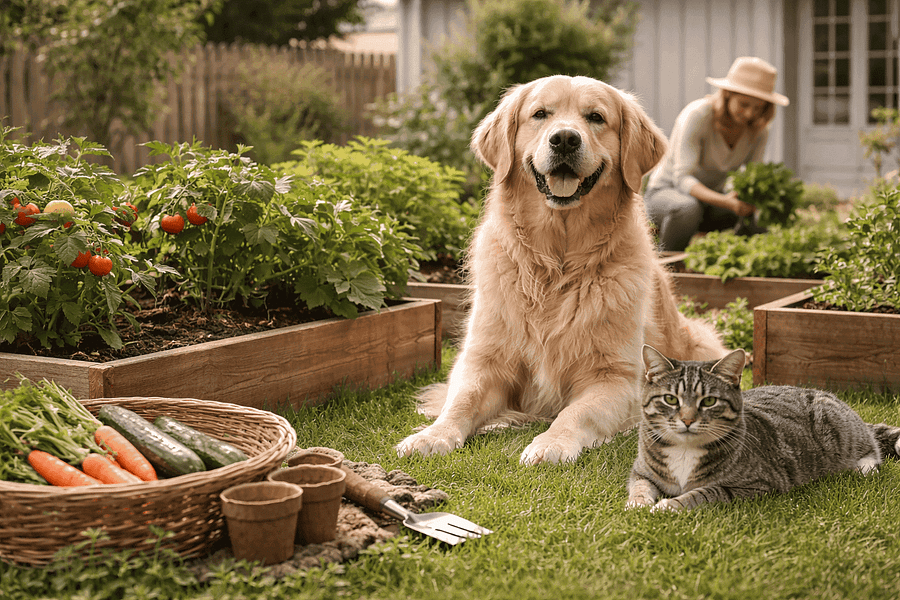
Physical exclusion is the most effective way to prevent the ingestion of toxic plants or dangerous fertilizers. Using raised beds or decorative fencing allows the owner to grow “danger” plants (like tomatoes or peppers) while keeping the pet in a safe, grassed or mulched zone.
Planting a “Pet-Specific” Zone
Consider dedicating a section of the garden to pet-safe herbs and plants. Catnip, valerian, and wheatgrass (pet grass) provide safe sensory enrichment. This encourages the pet to interact with “their” plants rather than the owner’s prize-winning (and potentially toxic) lilies or onions.
FAQ Section
Is organic gardening always safer for my dog?
Organic refers to the absence of synthetic chemicals, but it does not mean “non-toxic.” As noted, many organic fertilizers and perfectly natural plants are deadly to pets. Organic gardening is safer regarding carcinogens but requires higher vigilance regarding biological toxins.
What are the safest vegetables I can grow for my pet to snack on?
Green beans, cucumbers, carrots, and blueberries are generally very safe and low-calorie snacks. Always introduce new foods in small quantities and consult your vet if your pet has pre-existing conditions like diabetes or kidney disease.
Can my cat get sick from a garden even if they don’t eat the plants?
Yes. Cats can get “brush-on” toxins. For example, if a cat brushes against a lily and later grooms the pollen off its fur, it can suffer acute, fatal renal failure. Soil-borne parasites and fungi can also be picked up on the paws.
How do I stop my dog from eating compost?
Compost should always be kept in a secure, enclosed bin. Open piles are too dangerous due to the risk of mycotoxins and the ingestion of foreign bodies like fruit pits or corn cobs, which can cause intestinal blockages.
Conclusion: The Future of the Backyard Ecosystem
The trend of residential food production is a permanent fixture of the modern landscape. How Home Gardening Is Silently Changing the Lifespan of Pets in America ultimately depends on the owner’s ability to manage the intersection of botany and biology. By eliminating synthetic lawn chemicals, we are undoubtedly removing a major cancer risk. However, we must replace those risks with a sophisticated understanding of botanical toxicity and environmental hygiene. A well-designed, pet-conscious garden is a sanctuary that can indeed extend a pet’s life through enrichment and clean living, provided the owner remains a vigilant guardian of the backyard ecosystem.
How Home Gardening Is Silently Changing the Lifespan of Pets in America
Gardening has exploded in popularity across the United States, with millions of homeowners turning their backyards into personal oases. While this green revolution offers mental health benefits for humans, veterinarians are noticing a significant shift in pet health outcomes. The modern American garden is silently influencing the lifespan of dogs and cats—in both deadly and miraculous ways.
Your backyard is not just scenery; it is a biological ecosystem that interacts with your pet’s body. From the silent killers hidden in fertilizer bags to the life-extending benefits of “sensory gardens,” here is how your hobby is shaping your pet’s future.
1. The “Cocoa Mulch” Trap & Fertilizer Risks
To a human nose, cocoa shell mulch smells like pleasant landscaping. To a dog, it smells like chocolate. Cocoa mulch contains theobromine, the same compound that makes chocolate toxic to dogs. Ingesting it can cause rapid heart rate, seizures, and even death.
The Hidden Chemical Risk: It isn’t just the mulch. “Organic” fertilizers often contain bone meal or blood meal. While natural, these are highly attractive to dogs. If a dog digs into the bag or the garden bed, the high concentration of iron and nitrogen can cause severe pancreatitis or iron toxicity, turning a healthy dog into a critical patient overnight.
2. The Lily Epidemic (A Cat Owner’s Nightmare)
Every spring, ER vets see a spike in fatal kidney failure in cats. The culprit? The Easter Lily (and Daylilies). Unlike other plants that might just cause an upset stomach, true lilies are nephrotoxic to cats.
The Reality: A cat does not need to eat the leaf. Simply brushing against the flower and then licking the pollen off their fur is enough to shut down their kidneys in less than 72 hours. Many well-meaning gardeners plant these beautiful flowers without realizing they are effectively planting landmines for neighborhood cats.
3. The “Sensory Garden” Revolution (The Positive Shift)
On the flip side, strategic gardening is extending pet healthspans. Progressive owners are now planting “Sensory Gardens”—spaces designed specifically for animal enrichment.
- Mental Stimulation: Planting pet-safe herbs like rosemary, basil, and catmint creates a “sniffing map.” Navigating these scents lowers cortisol levels in dogs, reducing anxiety and “inflammaging.”
- Fresh Nutrition: Home-grown green beans, pumpkin, and blueberries are excellent low-calorie treats. They provide potent antioxidants that fight cancer without the preservatives found in processed treats.
4. The Glyphosate Question
We cannot talk about gardening without addressing weed killers. Studies have shown that dogs exposed to lawns treated with aggressive herbicides have a significantly higher risk of developing Transitional Cell Carcinoma (TCC), a cancer of the bladder.
The Fix: The safest garden for a pet is a “perfectly imperfect” one. Accepting a few dandelions or using vinegar-based weed solutions can literally add years to your pet’s life by reducing their toxic load.
Summary: Audit Your Oasis
The difference between a garden that kills and a garden that heals is knowledge. Before you plant this season, cross-reference every bulb and bag of soil with the ASPCA Toxic Plants list. Your pet experiences your garden with their nose and mouth—make sure it is safe enough to eat.
📚 Veterinary Safety References
- ASPCA Poison Control:
Toxic and Non-Toxic Plants List
(The definitive database for checking garden safety) - Pet Poison Helpline:
Fertilizer & Mulch Toxicity Data
(Specific risks of cocoa mulch, blood meal, and iron toxicity) - Purdue University (College of Veterinary Medicine):
Lawn Chemicals & Canine Bladder Cancer
(Research linking herbicide exposure to cancer risks in dogs)
Disclaimer
This information is for educational and informational purposes only and does not constitute professional advice. Always consult with a qualified professional before making any decisions based on this content.
About the Expert
Evelyn Foster
Leading Scientific Expert & Senior Editor, Pets & Pet Care at FactaHub
Evelyn Foster is FactaHub’s key specialist, responsible for the scientific accuracy and ethical direction of all content within the Pets & Pet Care category. Her role involves rigorous fact-checking and integrating the latest research in zoopsychology, behavioral medicine, and comparative animal nutrition into practical guides for our readers.
Evelyn has over 15 years of experience working with data concerning domestic animal welfare and behavior.
- Experience: For many years, she collaborated with non-profit animal rescue and rehabilitation organizations, developing protocols for the assessment and correction of complex behavioral issues.
- Specialization: She specializes deeply in the ethology of cats and dogs, as well as the evaluation of clinical trials for dietary supplements and pet foods.
- Publications: She has served as an author-consultant in the creation of educational materials for pet owners and junior veterinary staff.
Important Disclaimer
Evelyn Foster is a leading scientific expert in animal ethology and behavioral medicine. However, she is not a licensed Doctor of Veterinary Medicine (DVM). Content published under her editorial and scientific oversight is intended strictly for educational and informational purposes and should never replace a personal examination, diagnosis, or treatment provided by your qualified veterinarian. For all questions concerning your pet’s health, please contact a veterinary clinic immediately.