
✔ Fact-checked. For informational purposes only.
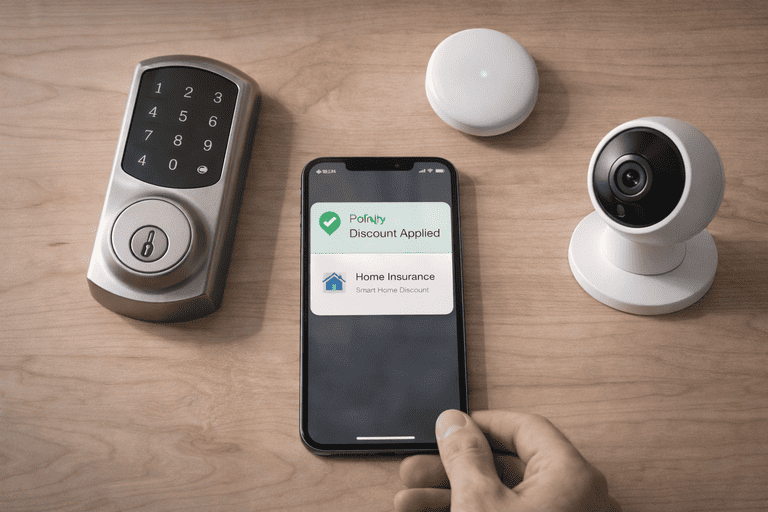
Homeowners are constantly looking for ways to reduce monthly expenses, and your insurance policy is a prime target for savings. In recent years, a new trend has emerged: smart home insurance discounts. Insurance providers have realized that connected technology does more than just automate your lights; it actively protects your property from catastrophic damage. By installing the right devices, you can significantly lower your risk profile, leading to cheaper premiums and better coverage options.
The logic is simple: a home that can detect a fire, a water leak, or a break-in and alert the owner immediately is far less likely to suffer a total loss. Insurers reward this reduced risk with savings that can range from 5% to over 20%, depending on the carrier and the complexity of your system.
Top Devices That Trigger Discounts
Not all gadgets will impress your insurance agent. Providers are specifically interested in devices that mitigate the most expensive claims: fire, water damage, and theft. Prioritizing these categories yields the best return on investment.
Monitored Security Systems
While a standard burglar alarm helps, a professionally monitored smart security system is the gold standard. Systems that include door sensors, motion detectors, and cameras deter theft and vandalism. If your system is connected to a central monitoring station that can dispatch police, you qualify for the highest tier of smart home insurance discounts.
Water Leak Detectors
Water damage is one of the most common and costly insurance claims, often exceeding the cost of burglary claims. Smart water leak sensors placed near washing machines, water heaters, and toilets can send an instant alert to your phone at the first sign of moisture. Systems that include an automatic shut-off valve are even more valuable, as they can physically stop a flood before it destroys your floors.
Understanding Monitoring Requirements
To maximize your savings, it is important to understand the difference between self-monitoring and professional monitoring. Self-monitoring means the device alerts your phone, and you are responsible for calling 911. Professional monitoring means a 24/7 center verifies the alarm and dispatches emergency services for you.
Most major insurers offer significantly larger discounts for professionally monitored systems because they remove human error from the equation. If you are on a flight or asleep, a professional service ensures the emergency is still handled swiftly.
Frequently Asked Questions
How much can I actually save?
Discounts typically vary between 5% and 20%. A comprehensive system with fire, theft, and water monitoring usually yields the highest percentage.
Do I need to provide proof to my insurer?
Yes. You will usually need to submit a certificate of monitoring provided by your security company or a receipt for the purchase of qualifying smart devices.
Does a smart thermostat count?
Sometimes. While primarily for energy savings, some insurers offer discounts for smart thermostats if they have freeze detection capabilities to prevent burst pipes in winter.
Conclusion
Investing in home automation is no longer just about convenience; it is a financially sound decision. By equipping your property with approved safety technology, you unlock valuable smart home insurance discounts that help offset the cost of the devices themselves. More importantly, you gain the peace of mind knowing that your home is actively protecting itself against the unexpected, securing both your wallet and your sanctuary.
📚 Insurance & Safety Data References
-
Insurance Information Institute (III):
Homeowners Insurance Discounts Guide
(Official industry data on how security systems and leak detectors reduce premiums) -
NAIC (National Association of Insurance Commissioners):
Consumer Guide to Home Insurance
(Regulatory advice on protective devices and policy credits) -
Consumer Reports:
Water Leak Detectors & Prevention
(Testing data on devices that prevent the most common insurance claim: water damage)
Disclaimer
This information is for educational and informational purposes only and does not constitute professional advice. Always consult with a qualified professional before making any decisions based on this content.
About the Expert
Alex Chen
Lead Technology Analyst & Smart Living Editor at FactaHub
Alex Chen leads the editorial direction and technical analysis for FactaHub’s Tech & Smart Living category. He is responsible for critically assessing new technologies and trends, ensuring that all published guides provide clear, unbiased, and actionable advice to readers seeking to integrate smart technology into their daily lives. Alex has nearly a decade of experience analyzing consumer electronics and developing user-centric solutions. Alex oversees a strict editorial process to maintain the credibility of FactaHub’s tech content, focusing on user safety, practicality, and longevity of tech products.
—